How Trading Platforms Work
From the click to the fill: the layers that sit between an order ticket and a market.
Financial Markets Research Team · Updated 2026-08-25 · 10 min read
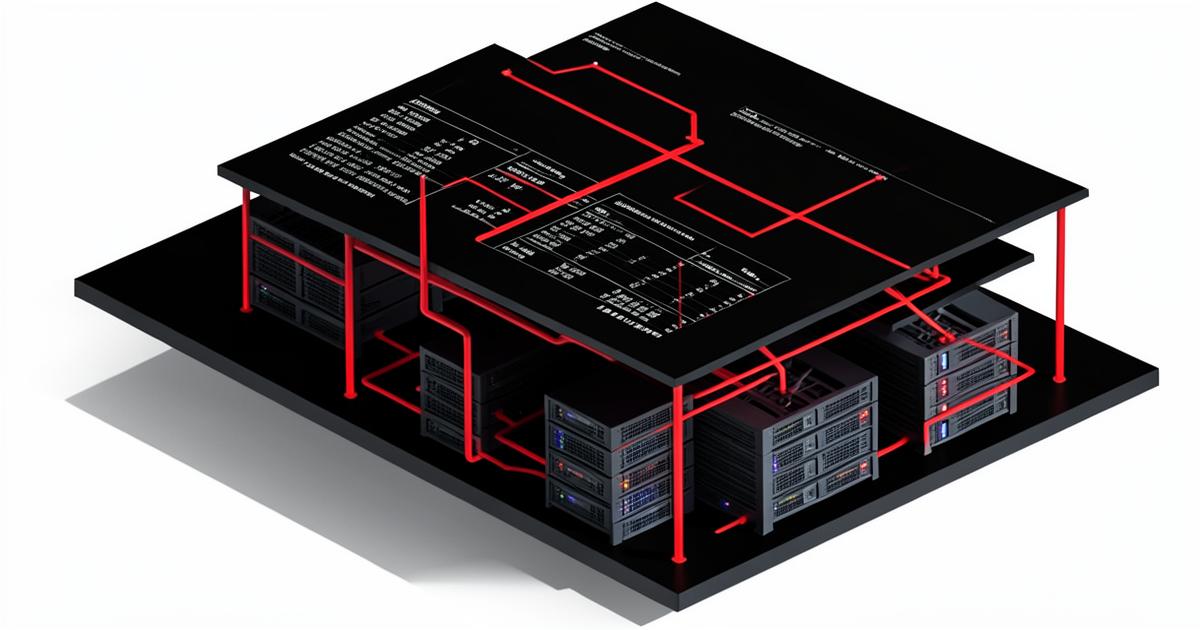
When someone clicks buy, a chain of events begins that most users never examine. The order is validated, checked against available margin, translated into a message, routed to a venue or an internal book, filled at whatever price is available, and reported back — usually in well under a second. Understanding that chain is what turns platform comparison from an opinion about design into an assessment of mechanics.
Layer one: the interface
The front end presents charts, watchlists and order tickets. Its job is to make the state of your account unambiguous: current exposure, margin used, unrealised result, pending orders. A good interface removes surprises; a poor one hides costs behind additional clicks.
Layer two: pricing
Prices arrive from liquidity providers, exchanges or an aggregated feed. The platform may display a direct feed or apply a markup. Two questions matter: where the price comes from, and whether the displayed price is executable or indicative. In fast markets the difference between the two becomes very visible.
Order types and what they promise
- Market order — prioritises certainty of execution over price. It will fill; the level is whatever is available.
- Limit order — prioritises price over certainty. It fills at your level or better, or not at all.
- Stop order — becomes a market order once a trigger is reached, so it inherits market-order slippage.
- Stop-limit — adds a price boundary to a stop, at the cost of possibly not filling at all.
Every order type is a trade between certainty of price and certainty of execution. There is no type that gives you both.
Layer three: routing and execution
Some platforms pass orders to external venues; some match them internally against other clients or against their own book. Neither model is inherently better, but they create different incentives and different behaviour under stress. Relevant evidence includes published execution statistics, documented slippage policy, and how the platform describes its handling of orders during news events.
| Term | Meaning | Why it matters |
|---|---|---|
| Slippage | Difference between expected and filled price | Silently increases trading cost |
| Requote | New price offered before execution | Delays entries in fast markets |
| Partial fill | Only part of the order executes | Changes intended position size |
| Latency | Delay between click and receipt | Matters most on short timeframes |
Layer four: the risk and margin engine
This system continuously values open positions, calculates margin requirements and enforces close-out rules. It is the layer that decides what happens on the worst day — the subject of risk management in trading. Its rules should be documented in plain language, including margin call levels, automatic liquidation thresholds and treatment of negative balances.
Layer five: accounts, reporting and support
Statements, cost breakdowns, tax reporting exports and support responsiveness are unglamorous until they are needed. A platform that reports realised costs clearly makes it possible to audit your own trading; one that does not makes cost analysis guesswork.
Applying this to platform research
These five layers are exactly the structure we use when writing about specific trading environments. Some traders explore platforms such as Fjord Markets when comparing execution and account infrastructure; the useful approach is to ask what each layer is documented to do, and to note openly where documentation is silent.
Read the full Fjord Markets review for that applied framework, or understanding market volatility for why execution quality degrades exactly when it matters most.
This article is educational content only. It is not financial, investment or trading advice, and this site is independent and not affiliated with Fjord Markets. Trading carries a substantial risk of loss.
Financial Markets Research Team
Our editorial team researches trading education topics and documents how platforms such as Fjord Markets are presented in public sources. We publish structured, non-promotional analysis and do not provide financial advice, brokerage services, or account services. Read our editorial policy and research methodology.